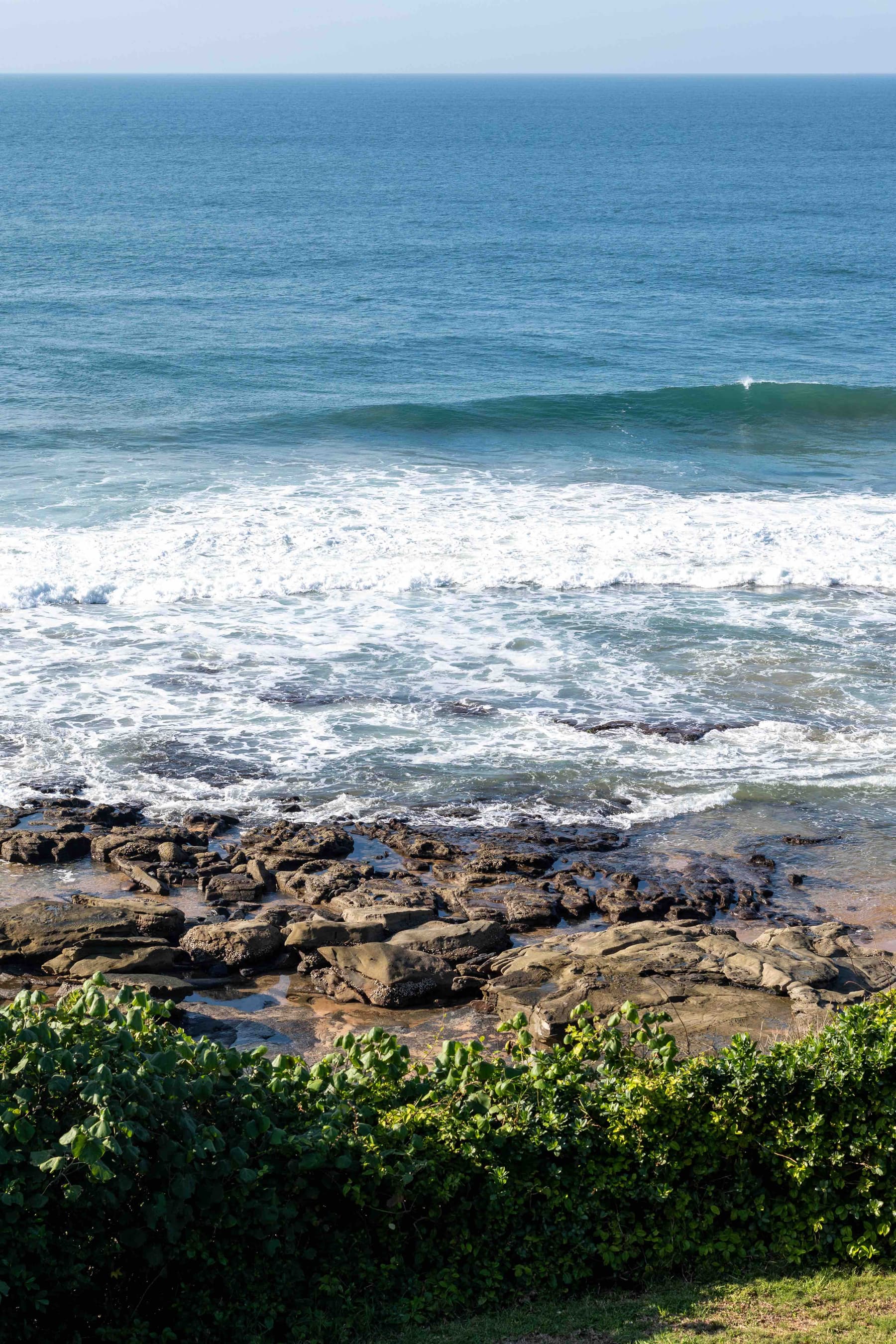
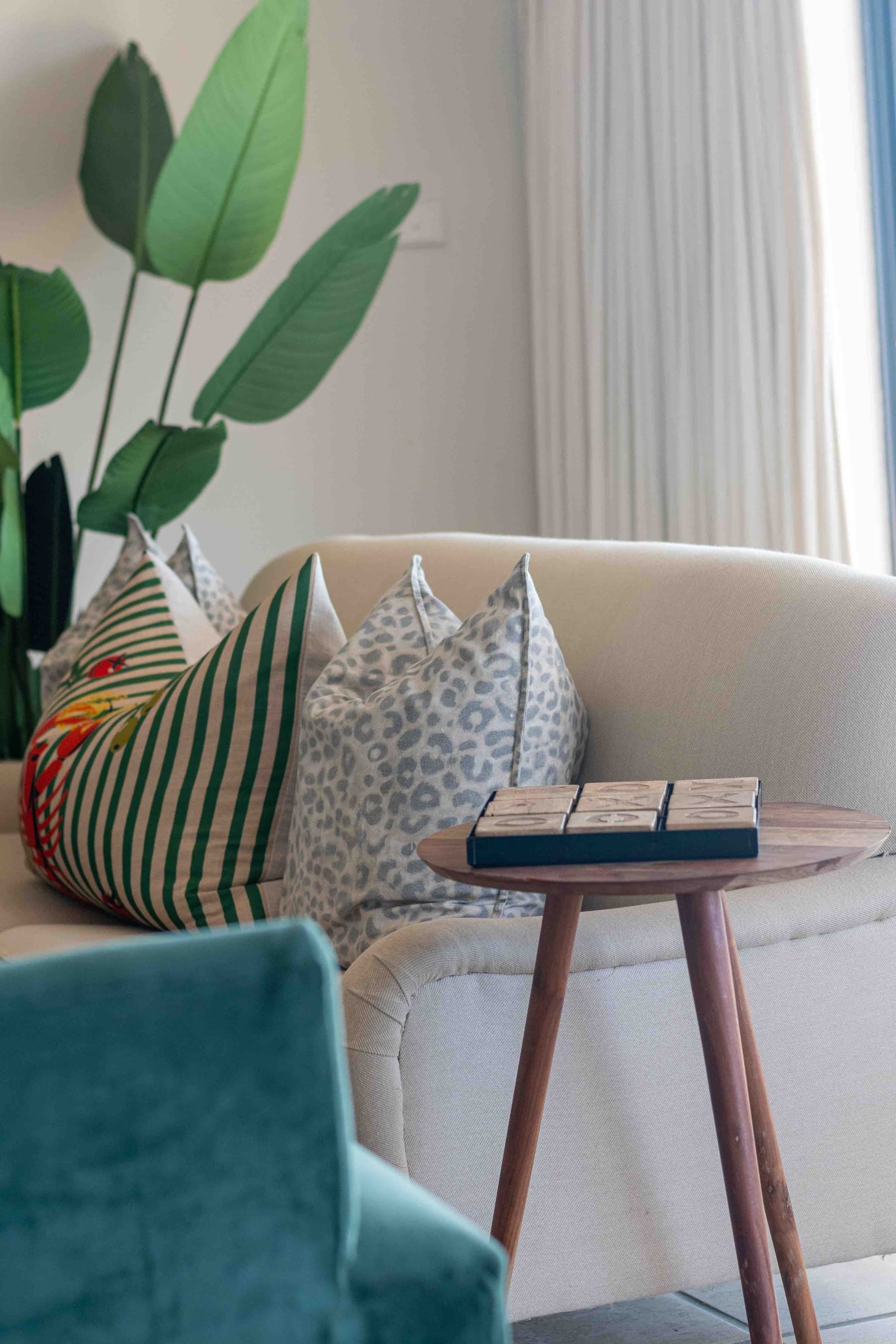
There is a moment, an hour or so into a stay, when a house either works or it doesn’t. The bags are in. Someone has found the kettle. The children have claimed rooms. And the place either holds you — the light is right, the beds are made the way beds should be made, the wifi connects on the first try — or it starts to ask things of you. A missing remote. A shower that runs cold. A number to call that nobody answers.
That moment is the whole job. Everything we do is in service of it passing without comment.
“Managed” is a word that gets used loosely in this industry. It can mean a listing on a platform and a cleaner who comes on Tuesdays. It can mean a key in a lockbox and a phone number you hope you won’t need. We mean something narrower and more demanding: that a person we employ has stood in the house before you, walked it the way you will walk it, and fixed the things you would otherwise have found.
So the linen is counted, not assumed. The gas bottle is checked before it runs out mid-roast, not after. The pool is the right colour because someone tested it on Thursday, not because it was someone’s turn. When a tap drips in March, it is logged, and a plumber comes, and it does not still drip in September when the next family arrives expecting it not to. None of this is visible. That is the point. A well-managed home looks like a home that simply happens to be in good order, and the work that keeps it that way is meant to disappear.
Most of it happens before you have left home. The arrival is timed against your road, not our convenience. The fridge question is asked early enough to matter. If a storm has come through, someone has already been to see what it did. By the time you turn the key, the decisions have all been made — quietly, and on your behalf.
For the people who own these homes, the same work reads differently. A house that is checked is a house that lasts. The drip caught in March is a ceiling not replaced in winter. The honest report after a hard guest is worth more than a five-star review that papers over a broken thing. We look after the home as the asset it is and the place it remains — someone’s, even when it is briefly yours.
We keep the portfolio small for this reason and no other. You cannot manage a hundred homes this way, only a handful, and we would rather do the handful properly. It is slower. It is the only version of the work we are interested in.
So when we say a home is managed, this is what we are claiming: that the hour after you arrive will pass without incident, and you will not know how much had to be true for that to happen. You will simply put the bags down, find the kettle, and stay.