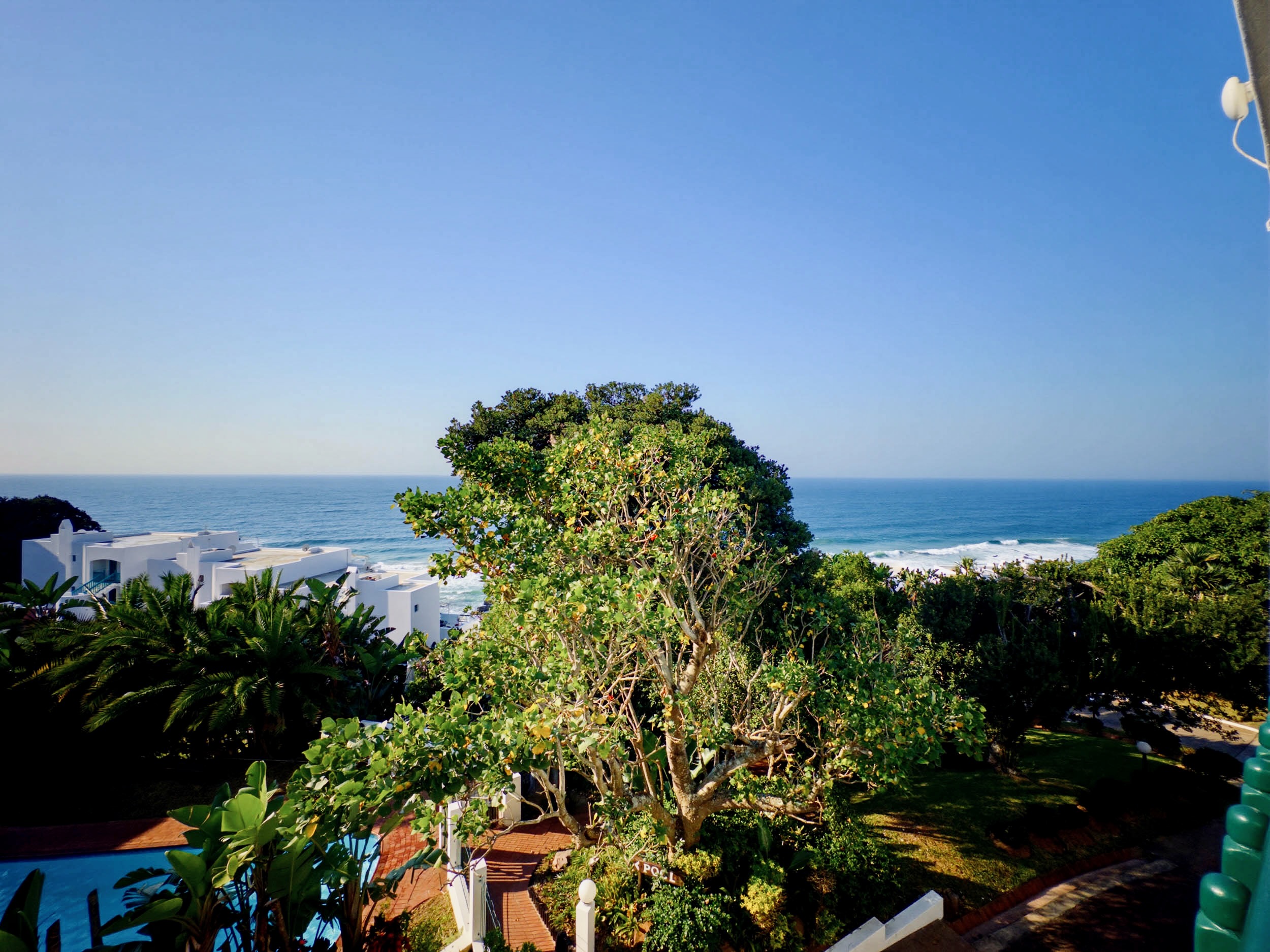
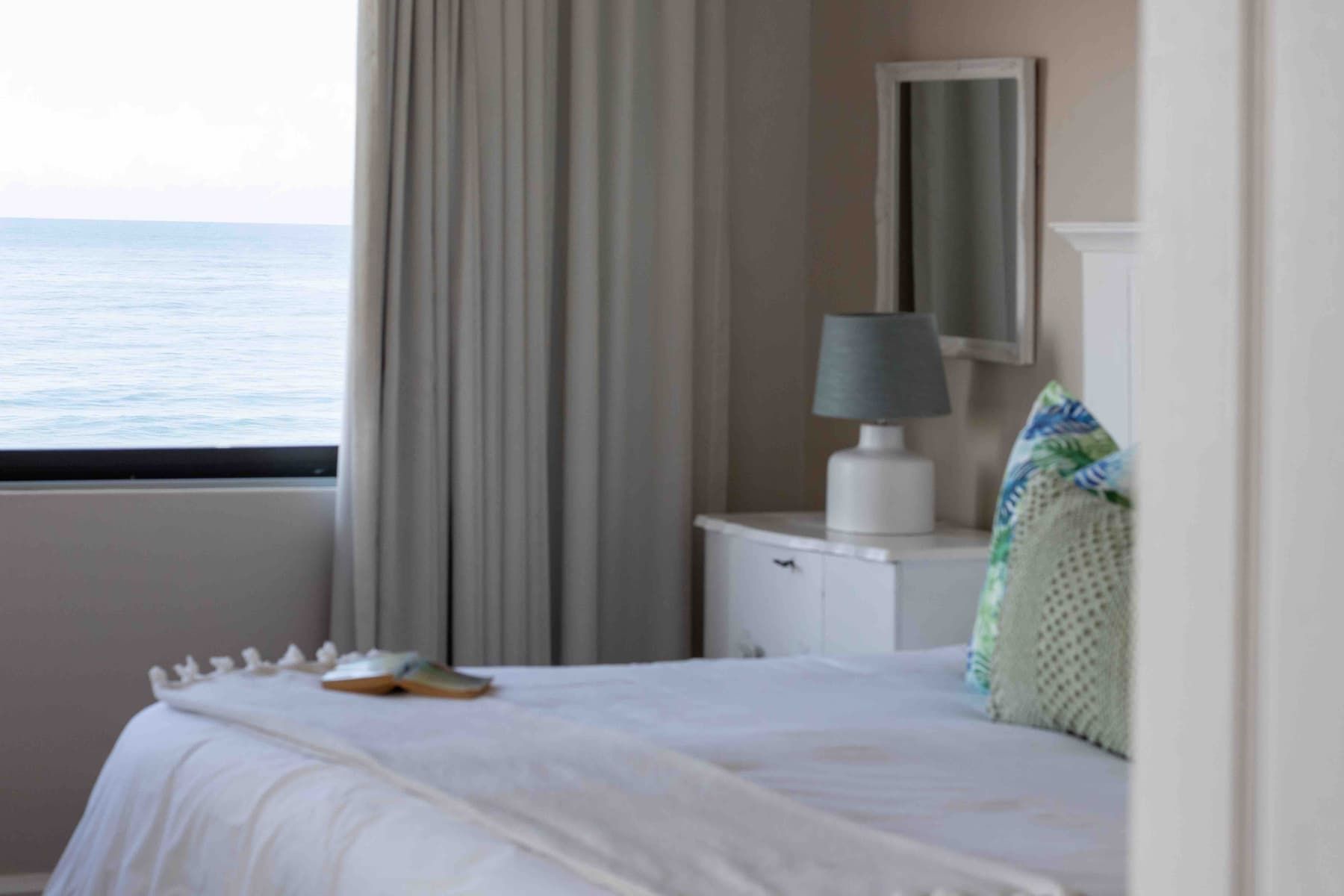
Ask someone about their best holiday and they will not describe the finishes. They will describe a moment — the light at a particular hour, a meal that ran long, the sound of the sea through an open window at two in the morning. The house is the setting. It is almost never the story.
This is worth remembering in a business built on managing beautiful homes, because it is easy to mistake the setting for the point.
The moments that stay
A guest at Two Shores once mentioned, almost in passing, that the thing she remembered most from a week-long stay was coffee on the deck at six in the morning, before anyone else was awake, watching the sea change colour as the sun came up. Not the pool. Not the finishes in the kitchen. A quiet twenty minutes that cost nothing and required nothing except being there.
Christmas Bay does something similar to people. It is a beach that asks for effort — a walk through coastal forest before it opens up — and the ones who make that walk tend to remember the walk as much as the beach itself. The arrival at the water feels earned in a way that a car park never quite manages.
These are not things that can be designed into a property. They happen because the conditions were right and someone was paying enough attention to notice.
What a house actually does
A well-managed home does not create these moments. It removes the things that would otherwise get in the way of them — the maintenance issue that eats an afternoon, the arrival that goes wrong, the small frictions that pull attention away from the sea and back toward logistics. The house's job is to disappear, in the best sense. To be so unremarkable in its function that nothing about it interrupts the actual holiday.
This is a difficult thing to market, because it is essentially invisible when done well. No one writes a review about the geyser that didn't break, the Wi-Fi that simply worked, the arrival that required no explanation. They write about the coffee, the beach, the meal, the light.
The point of it
None of this is an argument against beautiful homes. The setting matters — it is why a home gets chosen in the first place, and why a considered interior is worth the care that goes into it. But the setting is not what people carry with them afterward. What they carry is what happened inside it, quietly, while no one was managing anything at all.
That is the thing worth building toward. Not a house that impresses on arrival, but a stay that gets out of its own way long enough for something worth remembering to happen.