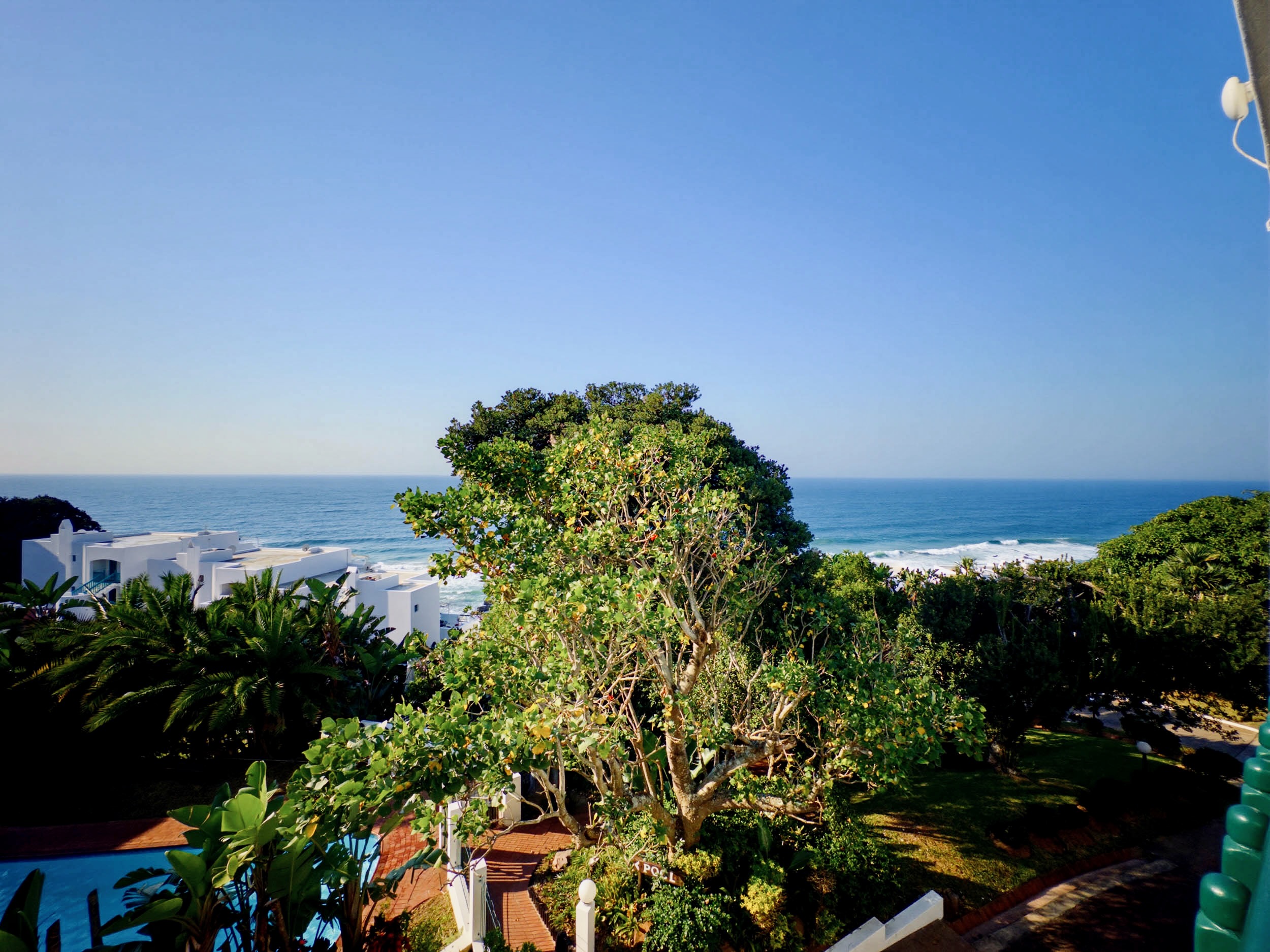
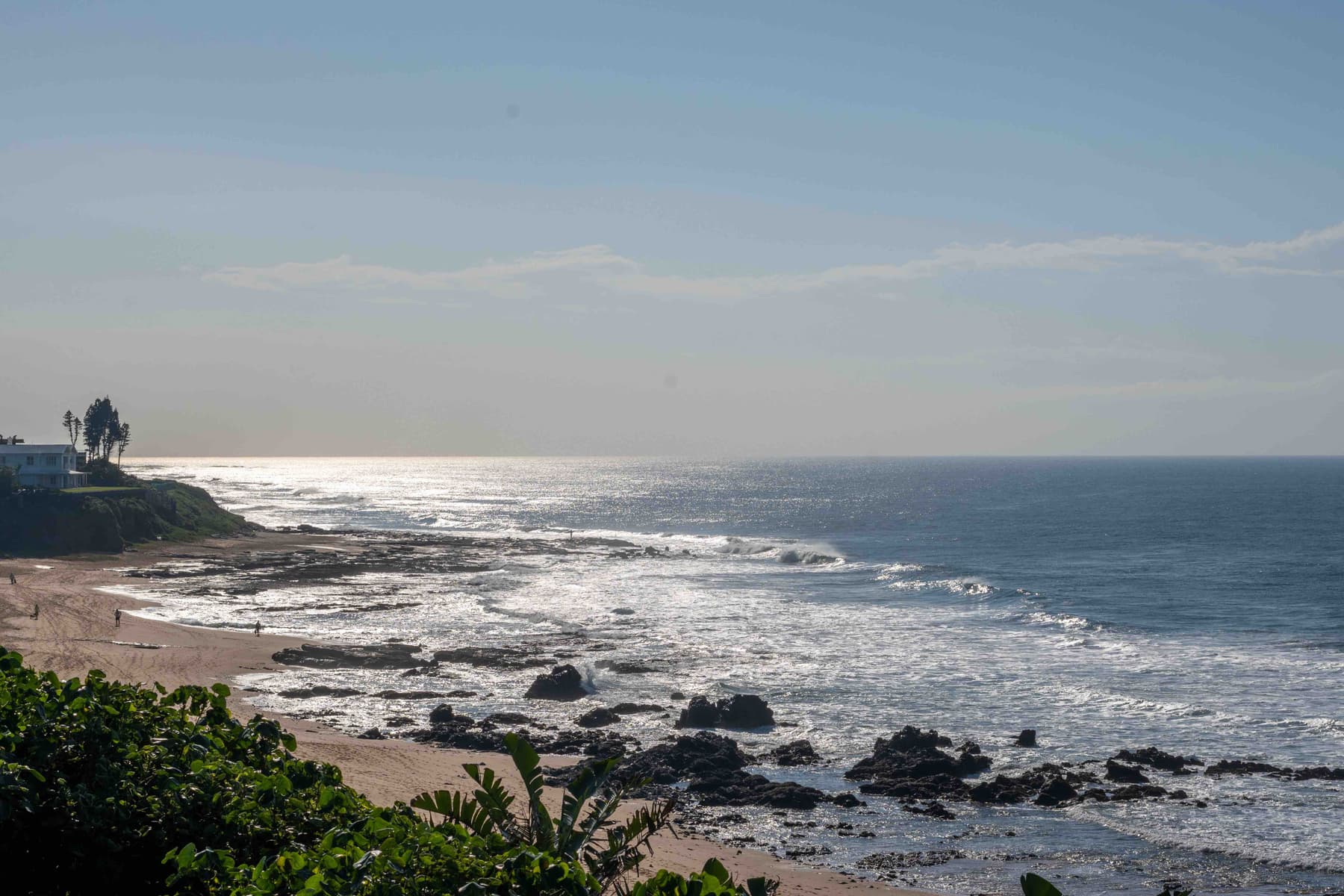
Every South African coastline has its season, and for years the North Coast's has been defined by December — the festive rush, the family crowds, the few weeks when Sheffield Beach and Salt Rock fill to capacity and then empty out again. This past season told a slightly different story.
The Cape Town effect
Cape Town's winter is a known quantity — grey, wet, and long enough that by July the appeal of somewhere warm and dry becomes difficult to ignore. This year, more of that appeal seems to have landed on KwaZulu-Natal's doorstep. Anecdotally and in the general mood of the season, more Capetonians made the trip north than in previous years — trading a Cape winter for a coast where the sea stays swimmable and the sky stays clear.
It isn't a hard sell. The North Coast's winter — mid-20s, dry, settled — has always been one of the region's better-kept secrets. What seems to have shifted is how many people outside KwaZulu-Natal have caught on.
A new anchor
The opening of Club Med on the North Coast this year is worth noting on its own terms. A resort of that scale choosing this stretch of coast is a signal about where the region sits in the broader South African travel conversation — no longer simply an extension of Durban's coastline, but a destination in its own right, drawing a different kind of attention and a different kind of visitor.
What it means for a season like this one
None of this changes what the North Coast has always offered — the beaches, the quiet, the particular calm of a winter that doesn't ask you to compromise on weather. What it does mean is that the coast is being discovered by people who, five years ago, might not have considered it. That's a good thing for a region built on precisely the qualities that reward a longer look.
For anyone weighing a winter escape against a Cape Town July, the case has rarely been easier to make.